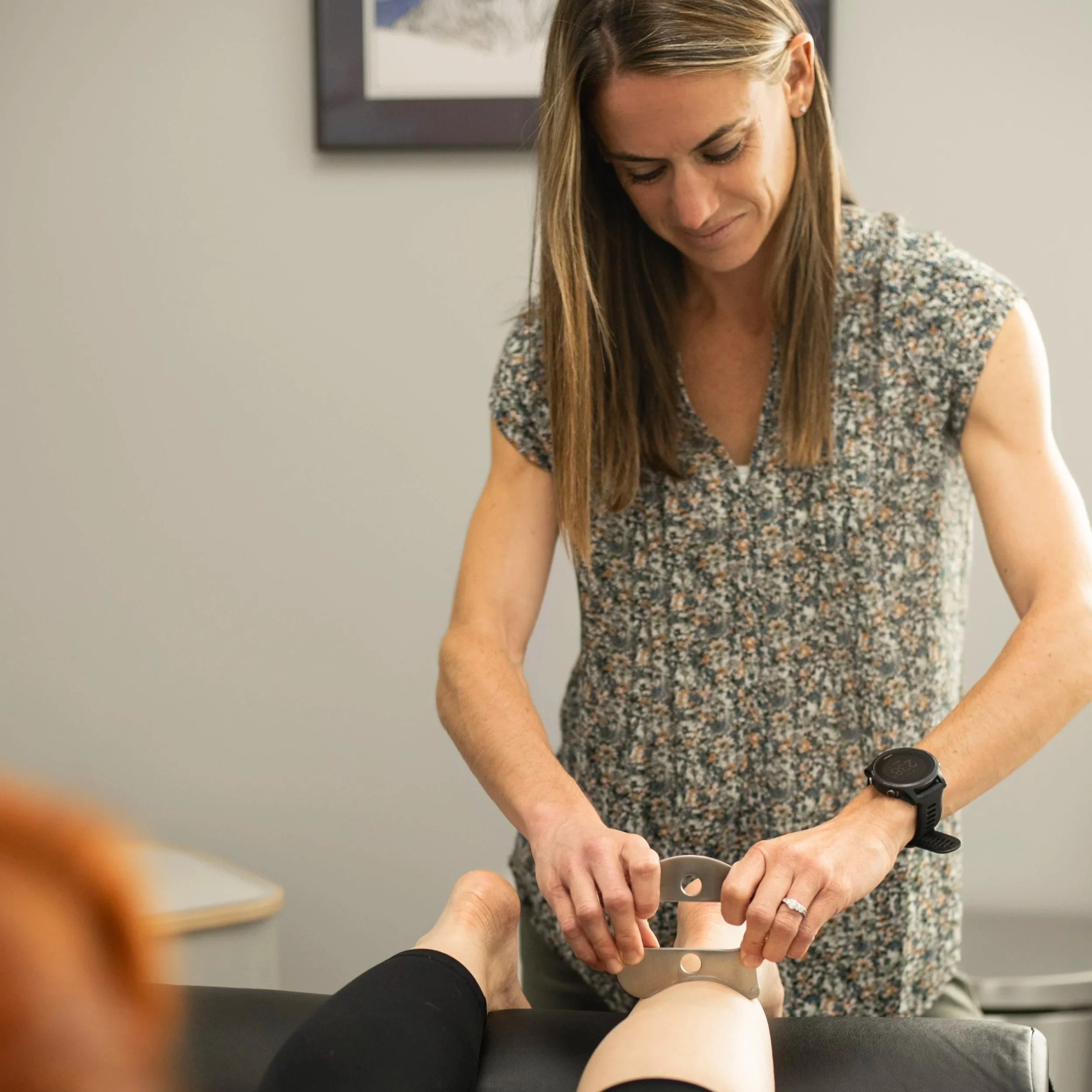

Running Gait Analysis
Run stronger. Move more efficiently. Feel confident in every stride.
Your running pattern tells a story.
Running involves your entire body. How your feet land, your hips and trunk move, and your body absorbs and produces force can all influence how running feels.
Whether you’re dealing with a recurring injury, returning to running after time away, or simply looking to move more efficiently, a running gait analysis can help identify patterns that may be holding you back and create a plan built around your goals.
A closer look at the way you run.
Running concerns can come from more than one area of the body. We look at your movement, strength, mobility, training demands, and running mechanics to understand what may be contributing—and help you run with greater confidence.
Performance + Training
Running efficiency
Strength + power
Mobility limitations
Training progression
Distance + pace goals
Building confidence with running
Hip + Pelvis
Hip pain
Hip weakness + instability
Glute-related pain
SI joint concerns
Pelvic stability + control
Injury + Recovery
Recurring running injuries
Overuse injuries
Return after injury or surgery
Training-related pain
Building running tolerance
Knee
Runner’s knee
Patellofemoral pain
IT band-related pain
Knee pain with running
Recurring knee discomfort
Return to running after injury
Running Mechanics
Stride + cadence
Foot strike patterns
Running posture
Lower-extremity alignment
Movement asymmetries
Foot + Ankle
Plantar fasciitis
Achilles pain
Ankle pain + instability
Foot pain
Recurring ankle sprains
Calf tightness + weakness

A running gait analysis looks at how your entire body works together with each stride. Your therapist will assess your running mechanics alongside strength, mobility, balance, and movement control to identify patterns that may be contributing to pain, limiting efficiency, or affecting performance.
More than watching you run.
See how factors like cadence, stride, foot strike, alignment, and movement patterns work together while you run.
Understand Your Running Mechanics
Targeted exercises address strength, mobility, stability, and coordination to support more efficient movement and the demands of your training.
Build Strength + Efficiency
Whether you want to return from an injury, increase mileage, improve performance, or simply feel better while running, your plan is built around where you want to go.
Run Toward Your Goals
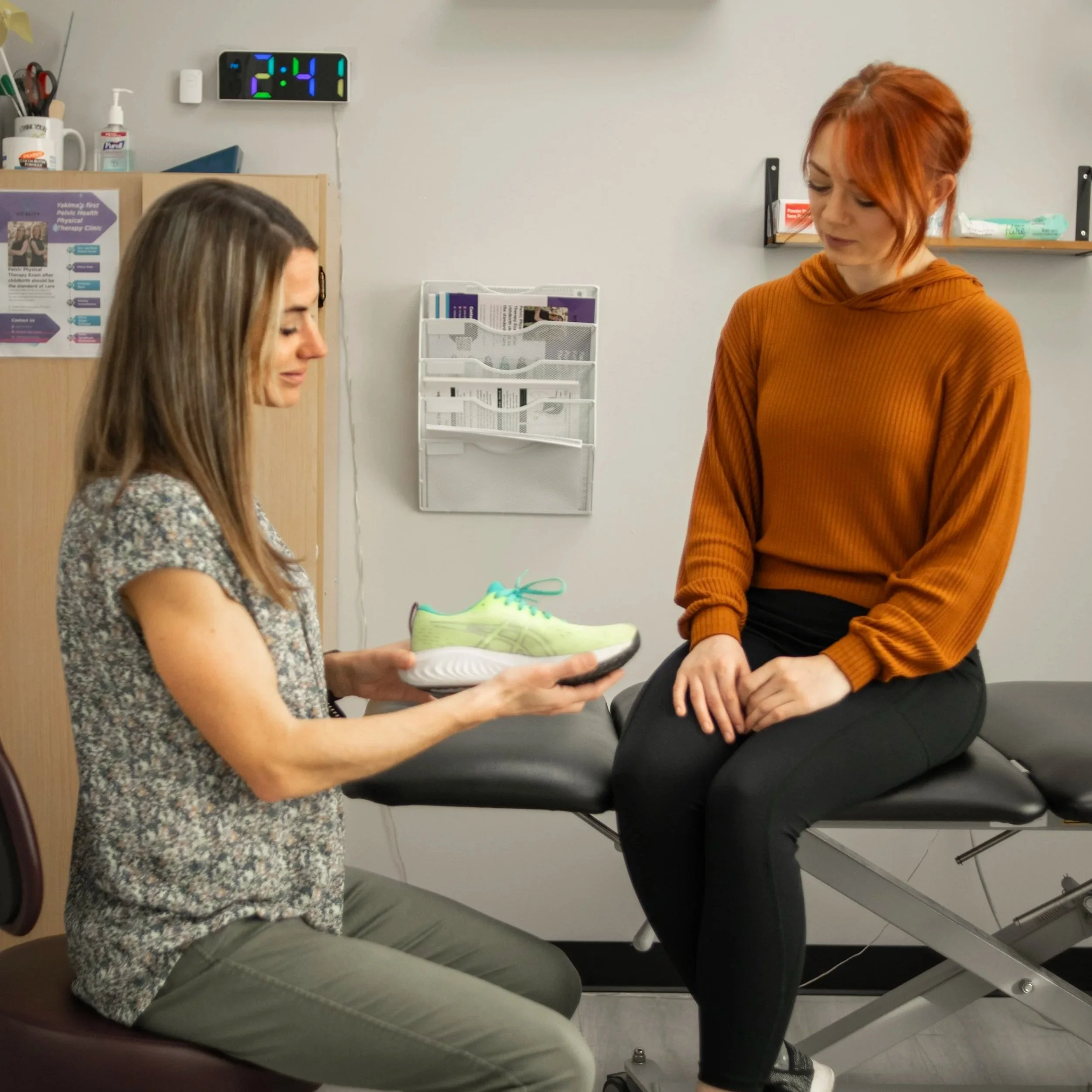
What to expect during your running gait analysis
Start with your running story
We’ll talk about your running history, current training, previous injuries, symptoms, footwear, and goals—whether you’re returning from an injury, training for a race, or simply wanting to run better.
01
See how you move
Your therapist will assess your running gait along with relevant strength, mobility, balance, and movement patterns to understand how your body responds to the demands of running.
02
Build your plan
We’ll walk you through what we see and develop individualized recommendations that may include gait strategies, strength and mobility exercises, training considerations, and a plan for progressing toward your goals.
03
Is a running gait analysis right for you?
You don’t need to be an elite athlete—or even be injured—to benefit from understanding how you run. A gait analysis can be useful at many stages of your running journey.
You’re Dealing with Pain or Injury
Recurring aches, overuse injuries, or pain that shows up during or after running can be signs that something in your movement, strength, mobility, or training needs a closer look.
You’re Returning to Running
Whether you’re coming back after an injury, surgery, pregnancy, or time away from running, gait analysis can help guide a thoughtful and progressive return.
You Want to Run Better
If you’re training for a race, increasing mileage, working toward a new goal, or simply curious about your mechanics, gait analysis can help you better understand your movement and identify opportunities to improve.
Runners of all levels are welcome.
From new runners to competitive athletes, your assessment is built around your experience, your body, and your goals.
Whether you’re working through an injury, returning to running, training toward a new goal, or simply curious about how you move, we’re here to help you run with greater confidence.
Ready to take the next step?