Men’s Pelvic Health
Move with confidence. Feel stronger. Get back to the life you want to live.
Pelvic health is part of your whole health.
Pelvic floor concerns can affect much more than you might expect — from bladder and bowel function to sexual health, pain, exercise, and everyday movement. And while these concerns are common, they aren’t something you simply have to live with.
Whether you’re dealing with pelvic pain, urinary symptoms, recovering from prostate surgery, or noticing changes that are getting in the way of your daily life, physical therapy can help identify what’s contributing to your symptoms and create a plan built around you.
Care for the symptoms affecting your everyday life.
Pelvic health concerns can show up in many different ways. Whether you’re dealing with pain, bladder or bowel changes, sexual concerns, or recovering from surgery, treatment is tailored to what you’re experiencing and what you want to get back to.
Bladder Health
Urinary leakage
Urinary urgency
Urinary frequency
Difficulty starting urination
Incomplete emptying
Post-void dribbling
Nighttime urination
Prostate + Surgical Recovery
Pre-prostatectomy preparation
Post-prostatectomy rehabilitation
Urinary leakage after surgery
Pelvic floor rehabilitation
Return to exercise + activity
Pelvic Pain
Pelvic or perineal pain
Genital pain
Tailbone pain
Pain with sitting
Lower abdominal pain
Persistent pelvic discomfort
Bowel Health
Constipation
Bowel urgency
Fecal leakage
Difficulty emptying
Straining with bowel movements
Pelvic floor coordination
Sexual Health
Pain with sexual activity
Erectile dysfunction
Pain with erection or ejaculation
Changes in sexual function
Pelvic floor coordination concerns
Movement + Active Living
Low back + hip pain
Core + pelvic floor coordination
Returning to lifting
Returning to running + sport
Strength + mobility
Building confidence with activity
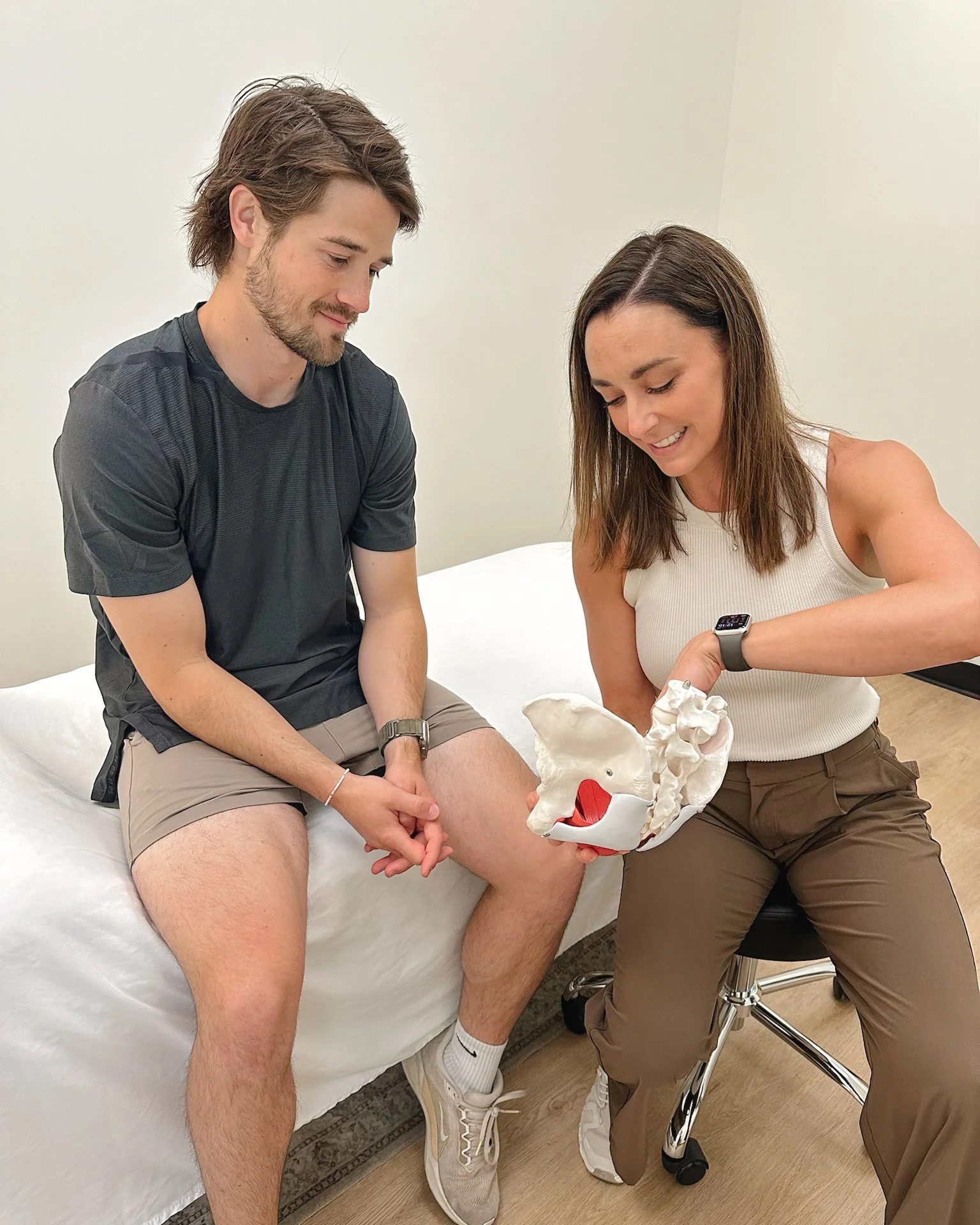
Pelvic floor symptoms are often connected to more than one part of the body. Your therapist will look at how your pelvic floor works alongside your core, hips, spine, breathing, movement patterns, and daily activities to better understand what may be contributing to what you’re experiencing.
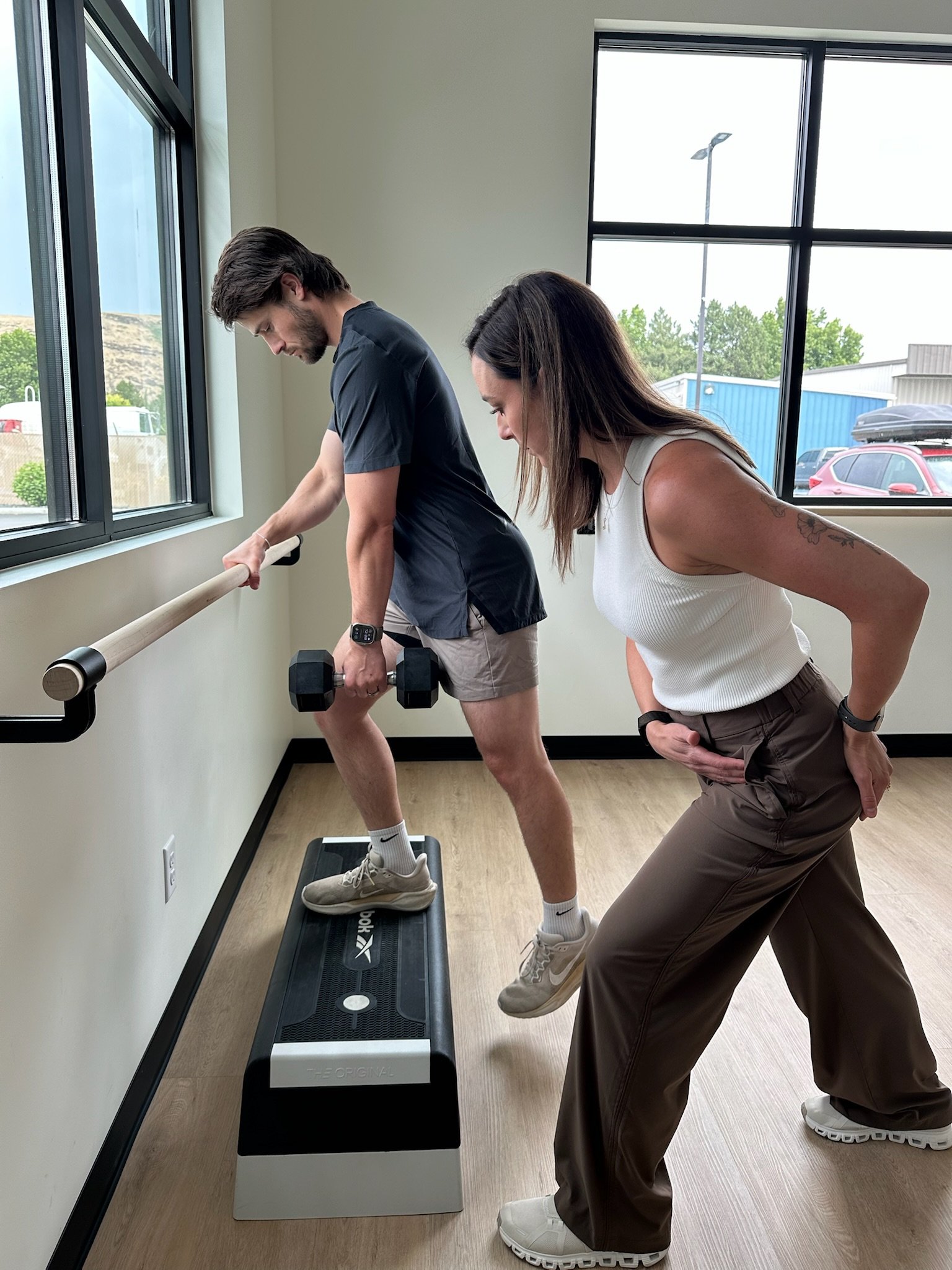
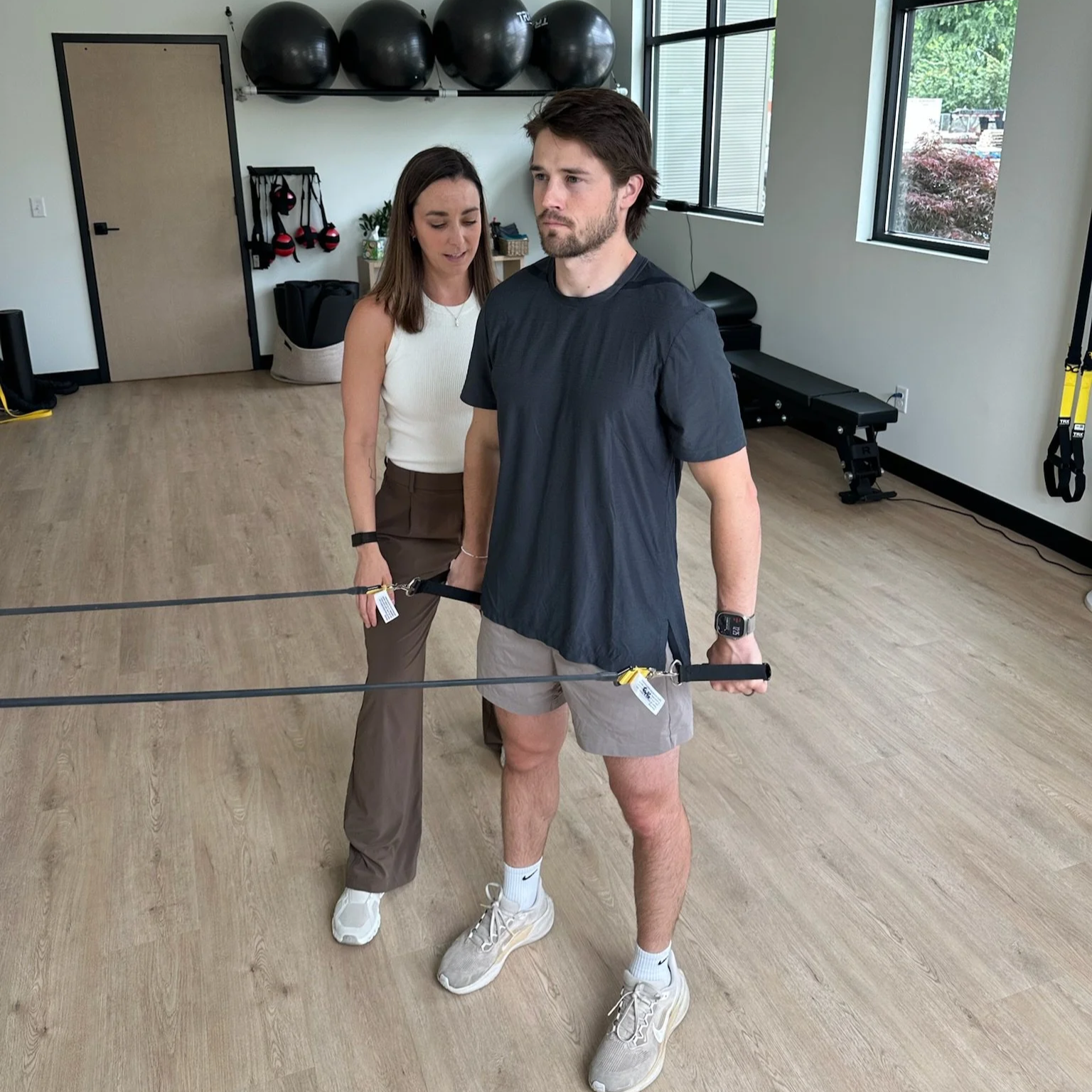
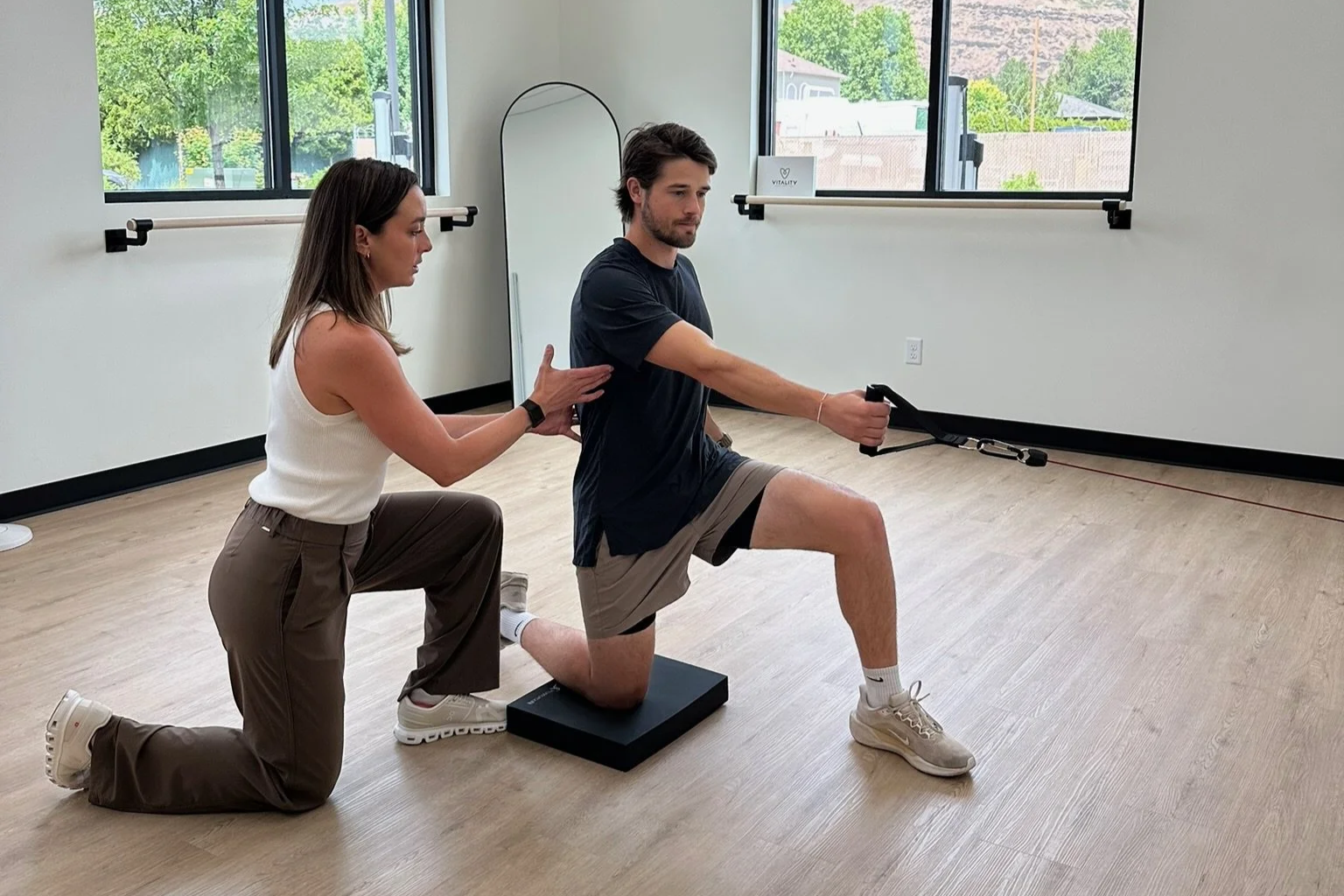
Treatment is individualized to you and may include hands-on therapy, pelvic floor coordination, movement and strength training, breathing strategies, education, and practical tools to help you feel more confident in everyday life.
Care that looks beyond the symptoms.
Individualized treatment can help address pain, tension, mobility, and pelvic floor function so everyday activities feel more comfortable.
Reduce Pain + Improve Function
Learn how to better coordinate your pelvic floor with your core, breathing, and movement while building strength for the activities that matter to you
Build Strength + Coordination
Whether your goal is returning to exercise, recovering after surgery, improving sexual function, or simply going through your day without thinking about your symptoms, treatment is built around what matters to you.
Get Back to Your Life
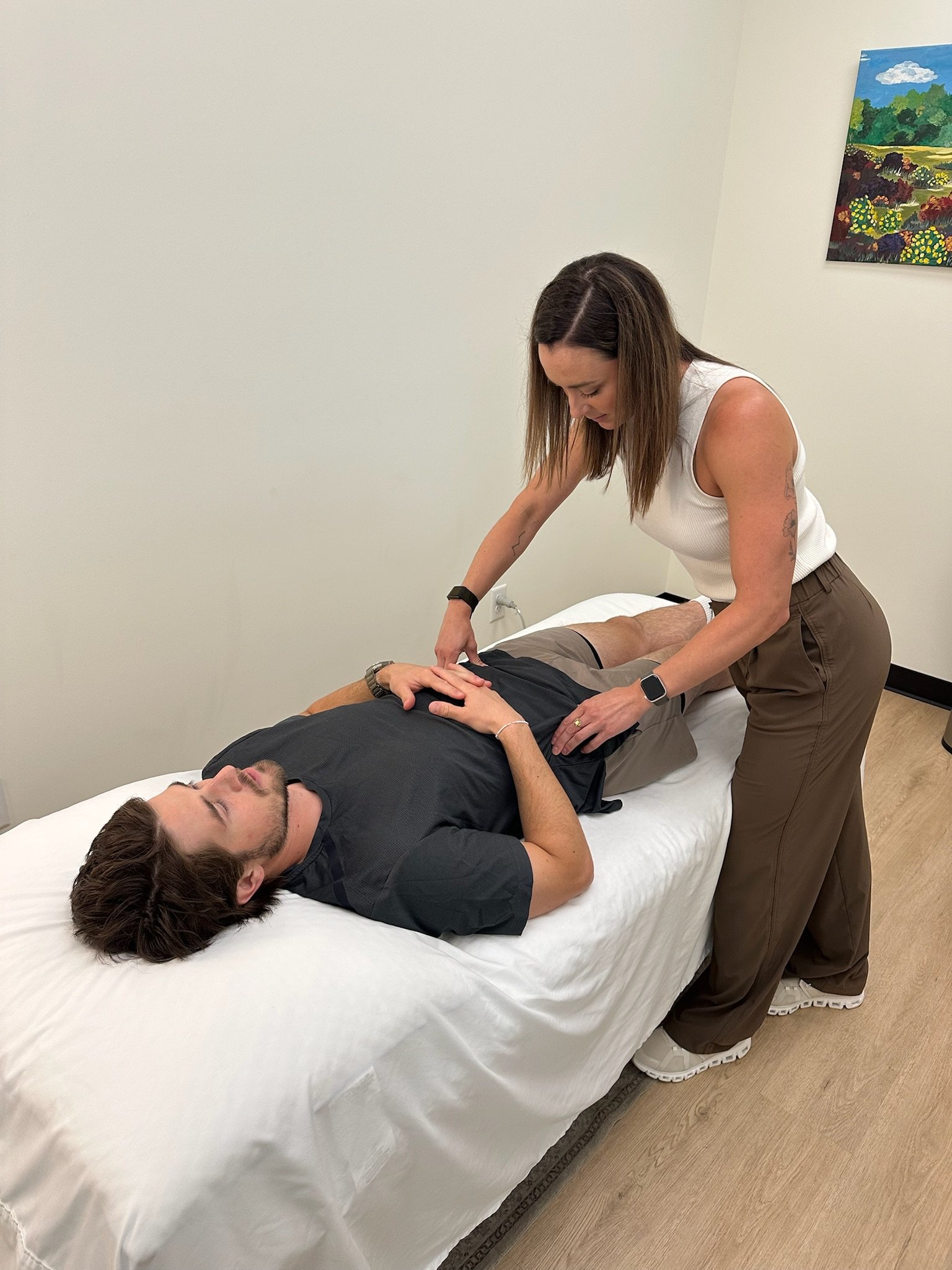
What to expect at your first visit
Start with a conversation
We’ll talk about what you’ve been experiencing, your health and surgical history, daily activities, and what you’d like to improve. This is also a chance to ask questions and understand how pelvic floor physical therapy may help.
01
Understand how your body is working
Your therapist may assess movement, strength, mobility, breathing, core and pelvic floor function based on your symptoms and goals. Any assessment will be explained beforehand and guided by your comfort and consent.
02
Build a plan around you
You’ll leave with a better understanding of what may be contributing to your symptoms and an individualized plan designed to improve function, build confidence, and help you get back to the things that matter to you.
03
Questions are completely normal.
Men’s pelvic health physical therapy may be unfamiliar, and it’s normal to have questions about what treatment involves. Here are a few things we want you to know before you come in.
-
Not necessarily. Your evaluation and treatment are based on your symptoms, goals, and comfort level. Your therapist will explain any recommended assessment or treatment beforehand, and you are always in control of your care.
-
Wear something comfortable that allows you to move easily. Depending on your concerns, your therapist may assess how your hips, spine, core, and the rest of your body move.
-
Yes. We understand that pelvic, bowel, bladder, and sexual-health concerns can be difficult to discuss. Your concerns will be approached professionally, respectfully, and without judgment.
Ready to take the next step?
Pelvic health concerns can be difficult to talk about, but you don’t have to keep working around your symptoms. Whether you’re dealing with pain, bladder or bowel changes, sexual health concerns, or recovering from surgery, we’re here to help you find the right place to start.